

923 字
5 分钟
LeetCode刷题(省份数量、序列重建)
省份数量
题目描述
有 n 个城市,其中一些彼此相连,另一些没有相连。如果城市 a 与城市 b 直接相连,且城市 b 与城市 c 直接相连,那么城市 a 与城市 c 间接相连。
省份 是一组直接或间接相连的城市,组内不含其他没有相连的城市。
给你一个 n x n 的矩阵 isConnected ,其中 isConnected[i][j] = 1 表示第 i 个城市和第 j 个城市直接相连,而 isConnected[i][j] = 0 表示二者不直接相连。
返回矩阵中 省份 的数量。
示例 1:
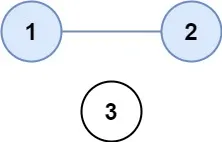
输入:isConnected = [[1,1,0],[1,1,0],[0,0,1]]
输出:2
示例 2:
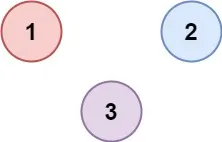
输入:isConnected = [[1,0,0],[0,1,0],[0,0,1]]
输出:3
题解
对连接的两点进行合并,最后求联通分量即可,为省份数量
class Solution {
    int[] parent;
    public int findCircleNum(int[][] isConnected) {
        int n = isConnected.length;
        parent = new int[n];
        for(int i = 0; i < n; i++) {
            parent[i] = i;
        }
        for(int i = 0; i < n; i++) {
            for(int j = 0; j < i; j++) {
                if(isConnected[i][j] == 1) {
                    union(i, j);
                }
            }
        }
        int result = 0;
        for(int i = 0; i < n; i++) {
            if(parent[i] == i) {
                result++;
            }
        }
        return result;
    }

    public void union(int x, int y) {
        parent[find(x)] = find(y);
    }

    public int find(int num) {
        if(parent[num] != num) {
            parent[num] = find(parent[num]);
        }
        return parent[num];
    }
}
序列重建
题目描述
给定一个长度为 n 的整数数组 nums ,其中 nums 是范围为 [1,n] 的整数的排列。还提供了一个 2D 整数数组 sequences ,其中 sequences[i] 是 nums 的子序列。
检查 nums 是否是唯一的最短 超序列 。最短 超序列 是 长度最短 的序列,并且所有序列 sequences[i] 都是它的子序列。对于给定的数组 sequences ,可能存在多个有效的 超序列 。
- 例如,对于
sequences = [[1,2],[1,3]],有两个最短的 超序列 ,[1,2,3]和[1,3,2]。 - 而对于
sequences = [[1,2],[1,3],[1,2,3]],唯一可能的最短 超序列 是[1,2,3]。[1,2,3,4]是可能的超序列,但不是最短的。
如果 nums 是序列的唯一最短 超序列 ,则返回 true ,否则返回 false 。
子序列 是一个可以通过从另一个序列中删除一些元素或不删除任何元素,而不改变其余元素的顺序的序列。
示例 1:
输入:nums = [1,2,3], sequences = [[1,2],[1,3]]
输出:false
解释:有两种可能的超序列:[1,2,3]和[1,3,2]。
序列 [1,2] 是[1,2,3]和[1,3,2]的子序列。
序列 [1,3] 是[1,2,3]和[1,3,2]的子序列。
因为 nums 不是唯一最短的超序列,所以返回false。
示例 2:
输入:nums = [1,2,3], sequences = [[1,2]]
输出:false
解释:最短可能的超序列为 [1,2]。
序列 [1,2] 是它的子序列:[1,2]。
因为 nums 不是最短的超序列,所以返回false。
示例 3:
输入:nums = [1,2,3], sequences = [[1,2],[1,3],[2,3]]
输出:true
解释:最短可能的超序列为[1,2,3]。
序列 [1,2] 是它的一个子序列:[1,2,3]。
序列 [1,3] 是它的一个子序列:[1,2,3]。
序列 [2,3] 是它的一个子序列:[1,2,3]。
因为 nums 是唯一最短的超序列,所以返回true。
题解
思路类似于课程表,存储其出度入度,在每一次循环中判断queue元素是否大于1,大于则返回true
class Solution {
    public boolean sequenceReconstruction(int[] nums, int[][] sequences) {
        int n = nums.length;
        int[] before = new int[n + 1];
        Set<Integer>[] after = new Set[n + 1];
        for(int i = 1; i <= n; i++) {
            after[i] = new HashSet<Integer>();
        }
        for(int i = 0; i < sequences.length; i++) {
            for(int j = 0; j < sequences[i].length - 1; j++) {
                int prev = sequences[i][j];
                int next = sequences[i][j + 1];
                before[next]++;
                after[prev].add(next);
            }
        }
        Queue<Integer> queue = new LinkedList<>();
        for(int i = 1; i <= n; i++) {
            if(before[i] == 0) {
                queue.offer(i);
            }
        }
        while(!queue.isEmpty()) {
            if(queue.size() > 1) {
                return false;
            }
            int num = queue.poll();
            Set<Integer> set = after[num];
            for(int next : set) {
                before[next]--;
                if(before[next] == 0) {
                    queue.offer(next);
                }
            }
        }
        return true;

    }
}
LeetCode刷题(省份数量、序列重建)
https://thrinisty.github.io/Blog/posts/leetcode刷题省份数量序列重建/